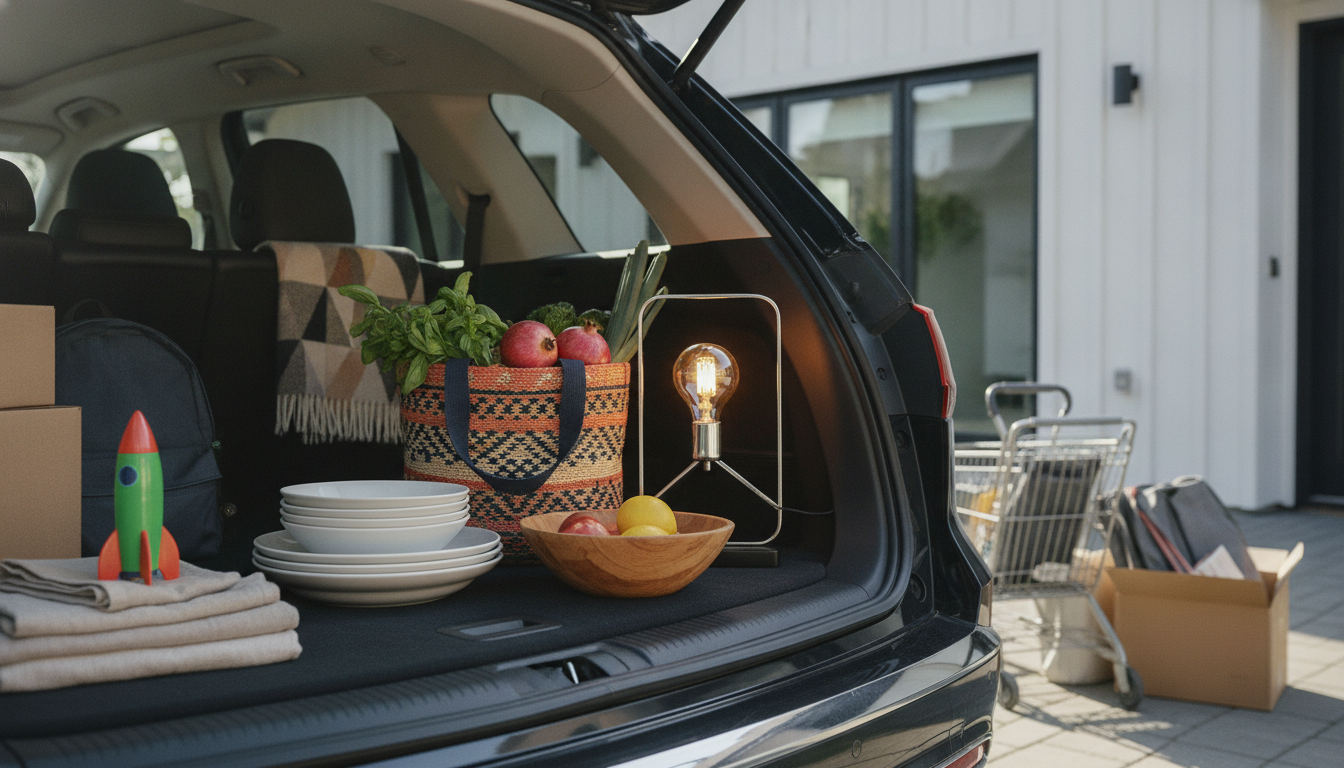
Eclectic minimalism is a style approach that keeps the clean, uncluttered foundation of minimalism while adding a few personality-rich, eclectic elements. Instead of filling a space or outfit with many bold pieces at once, it relies on restraint: neutral or simple basics are paired with one or two standout items—like a sculptural lamp, a vintage rug, an artful bag, or a patterned jacket—so the final look feels curated rather than busy.
The core idea is contrast with control. Minimalism provides structure through simple silhouettes, open space, and a limited base palette. Eclectic touches bring warmth and individuality through unique shapes, textures, eras, or cultural references. The “minimal” part prevents visual noise; the “eclectic” part prevents the room or outfit from feeling sterile.
Intentional editing: fewer pieces, better choices. Every item has a job—function, comfort, or visual impact.
High/low mixing: pairing accessible basics with one special piece (vintage, artisan-made, or statement design).
Texture over clutter: interest comes from materials (linen, leather, metal, wood grain, knits) more than from lots of decor or accessories.
One focal point at a time: a single bold artwork, a colorful shoe, or a patterned throw becomes the “hero,” while everything else stays calm.
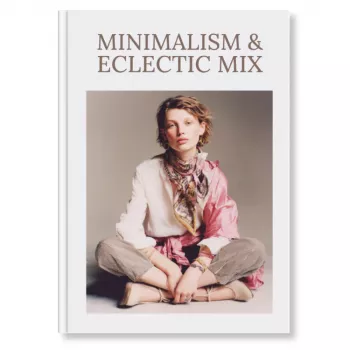
In fashion, eclectic minimalism often looks like streamlined staples—solid tees, tailored trousers, simple dresses—styled with one unexpected twist: a graphic coat, dramatic jewelry, or an unusual color pop. A practical way to keep it balanced is to follow a simple ratio where most of the look stays minimal and a smaller portion goes eclectic. For an easy formula and examples, see this guide to minimalist eclectic style and the 70/30 outfit formula.
At home, it might mean clean-lined furniture with a mix of eras—mid-century next to a modern sofa—plus a few collected objects that feel personal. The goal isn’t to remove character; it’s to give character room to breathe.
Limit statement pieces to one area or one “hero” item per look, and keep the rest in a tight palette. Use closed storage and repeat a few materials (like wood, black metal, or linen) to make everything feel connected.







Leave a comment