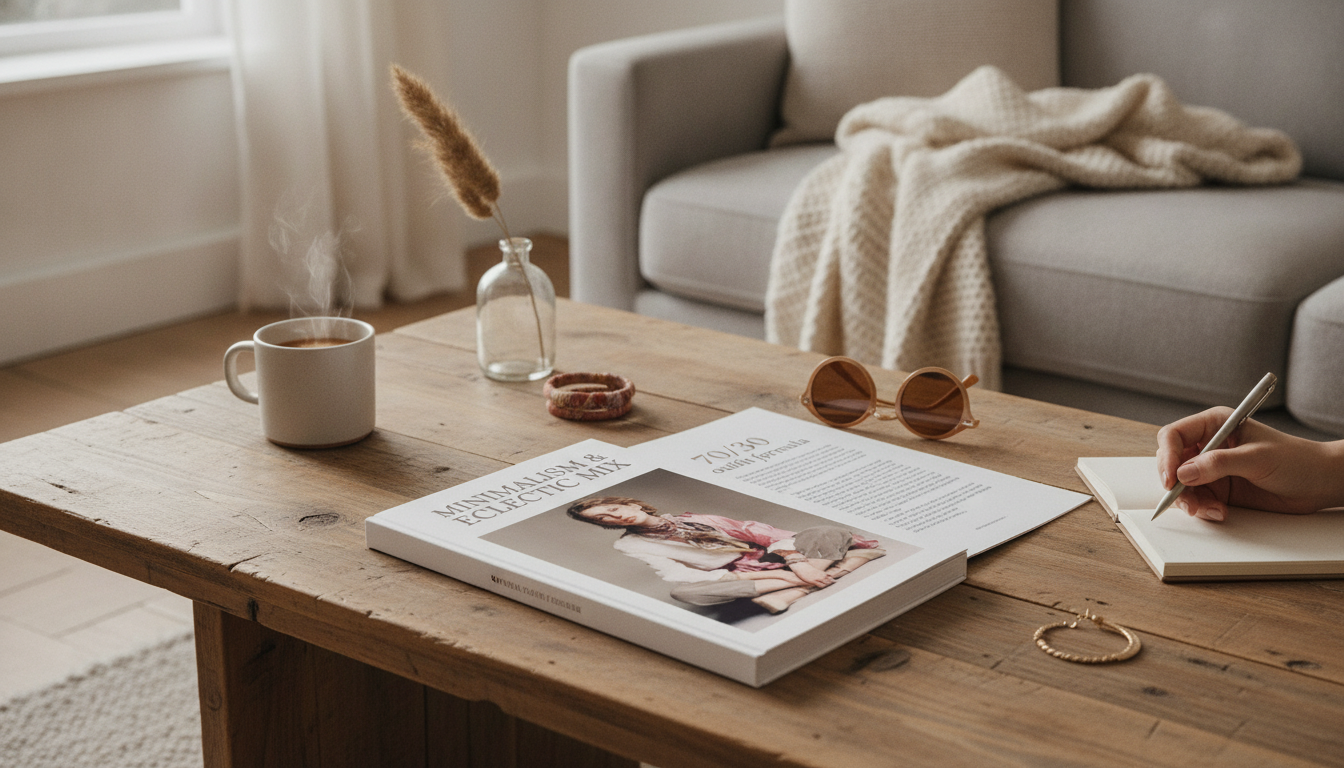
Minimalism and eclectic style can absolutely live in the same closet—when each outfit has a clear “quiet base” plus a deliberate “statement layer.” The base keeps things easy and repeatable; the statement keeps things personal and memorable. Below is a simple, wardrobe-friendly system that uses color, silhouette, texture, and accessories to make outfits feel intentional rather than cluttered, and expressive without losing that grab-and-go ease. For more guidance, see [PDF] Style Japon – extnag.tacc.utexas.edu.
Minimalism brings structure: clean silhouettes, repeatable outfit formulas, a tighter color range, and reliable basics that make getting dressed faster. Eclectic style brings energy: unexpected pairings, vintage-inspired touches, mixed patterns, bold accessories, and texture play that feels collected over time. For further reading, see [PDF] Style Japon – mcsprogram.org.
The most wearable blend relies on contrast—one calm anchor piece paired with one focal point (print, color, shape, or accessory). To keep variety from feeling random, aim for “one story” per outfit: choose a single theme (a color family, an era vibe, a texture direction, or a mood like sporty-chic or artsy-tailored) so the look still reads cohesive.
For inspiration on how minimalist dressing shows up in modern fashion, browse runway and street-style examples from Vogue’s minimalist fashion coverage. For eclectic references—prints, textiles, and historical silhouettes—fashion collections like The Met’s fashion and textile archives are a goldmine.
Use a 70/30 split to make outfit decisions nearly automatic. Start with a minimal base (about 70%): solid colors, simple lines, and neutral footwear or outerwear. Then add eclectic emphasis (about 30%): a statement print, sculptural jewelry, a bold shoe, or a textured layer.
If an outfit feels “too much,” remove one focal item (usually the loudest accessory) or swap one pattern for a solid. If it feels “too plain,” add one strong element near the face—earrings, a scarf, or neckline detail—to create impact where it’s most noticeable.
| Base (Minimal) | Add (Eclectic) | Result |
|---|---|---|
| Monochrome top + tailored pants | Patterned scarf or bold earrings | Polished with personality |
| Simple knit + straight jeans | Statement belt or vintage bag | Effortless, styled |
| Neutral dress | Chunky boots or colorful heels | Clean silhouette, standout finish |
| All-black outfit | Textured layer (faux fur, tweed) or metallic jewelry | Sleek with depth |
| Crisp shirt + minimal sneakers | Art-print cardigan or patterned overshirt | Smart casual, expressive |
Start by choosing 2–3 core neutrals that carry most of your outfits (black, white, navy, gray, beige). This becomes your “frame.” Then pick 1–2 accent colors that repeat across accessories or statement items so your wardrobe still mixes easily.
A simple styling trick is “echo color”: match a small detail—earrings, a bag, socks, or even nail color—to a shade inside a print. It’s subtle, but it makes mixed pieces look like they were meant to go together.
If you want to mix prints, keep one color constant across both patterns and vary the scale: one small print plus one larger print usually reads intentional, not busy.
Keep the base silhouette simple: straight-leg pants, a slip skirt, a crisp tee, a minimal dress, or a structured blazer. Then add one “eclectic shape” as the focal point—balloon sleeves, a dramatic collar, an oversized cardigan, a wide-brim hat, or a sculptural heel.
Proportion is what makes this combination flattering. If your top is voluminous, anchor it with a streamlined bottom. If your pants or skirt are wide, choose a cleaner top. One standout piece works best when the rest of the outfit stays quiet in texture and pattern.
Texture mixing is the fastest path to an eclectic feel without piling on color. Pair smooth cotton with denim, leather, suede, tweed, knits, or satin. It reads “styled,” even when the palette is neutral.
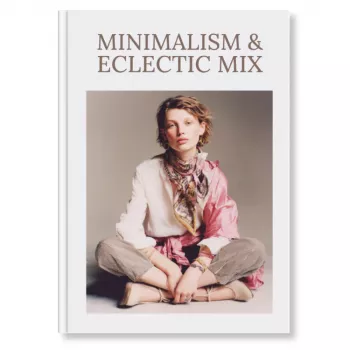
When shopping, identify gaps by function rather than trend: a neutral layering piece, a standout shoe, or a print that matches your core neutrals. For a structured approach you can save and reuse, consider the Minimalism & Eclectic Mix Guide (Digital Download Wardrobe & Fashion Styling eBook).
If your closet leans basic, a single statement layer can do a lot of work. Try adding a print on top of a clean base with the Floral Print Crew Neck Pullover, then keep the rest neutral and streamlined.
For a sporty-minimal base that pairs well with eclectic accessories (like a vintage bag or bold earrings), build around clean, simple athleisure staples such as Women High Waist Scrunch Butt Yoga Leggings and the Women’s Seamless Stretch Sports Bra.
Keep a quiet base and choose one clear focal point, using a 70/30 balance. Limit patterns and textures to a manageable mix, and stick to one cohesive theme (color family, mood, or era) so the outfit looks intentional.
A reliable formula is 2–3 neutrals plus 1 accent color, or one print that contains that accent. Use echo-color details (bag, jewelry, shoes) to repeat a shade from the print and tie the look together.
Start with one statement accessory or layer—scarf, belt, bag, or shoes—while keeping the base minimal. Once that feels comfortable, add texture contrast (knit, leather, satin) before attempting multiple patterns.







Leave a comment